
Exercise is vital to the health of a dog, but the activities should be adapted to each individual animal.
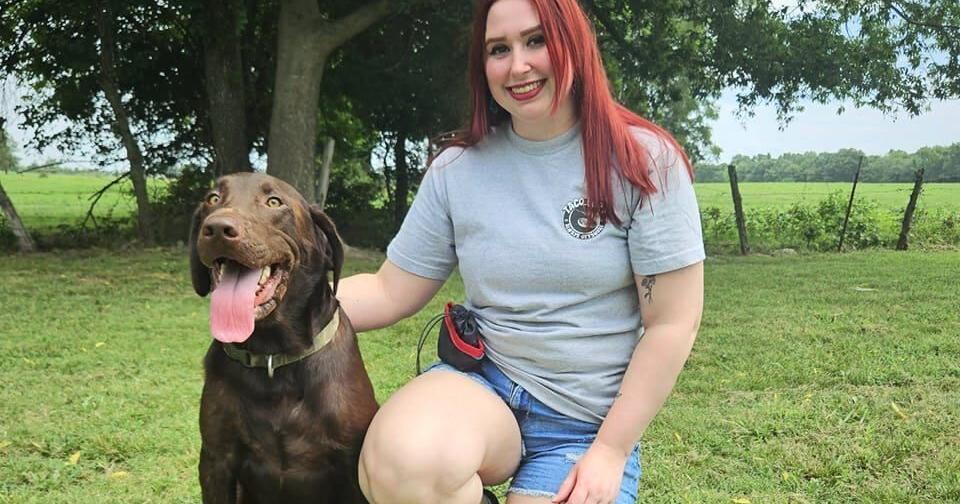
Gracie Rich, dog trainer and owner of All Paws on Deck, said exercise and mental stimulus can help dogs stay out of trouble, as well as keep them healthy.
“Exercise is important because it keeps your dog healthy and happy. It’s a fun way to bond with them,” Rich said. “They need exercise to keep from getting bored. When dogs are bored, they get destructive.”
Simple exercises dog owners can do with their canine companions include the classics of playing fetch and going for walks or runs.
“The hardest part can be figuring out what your dog likes – what gets them moving,” Rich said. “Try engaging them in all sorts of play to see what they like.”
Weather changes can put a damper on certain exercises because of temperatures that are too low or too high, which could be hard on the pet’s health.
Learning new tricks and going for a swim are among the exercises Rich recommends for dogs do during warmer weather. Rich said the owner can also make pet-friendly frozen treats to ensure the pet does not get too hot.
When the weather turns cold, exercises should be adapted, such as moving playtime inside or going on shorter walks.
“Puzzle toys with treats inside are a great way to keep your dog from getting bored,” Rich said. “These can easily be made at home with an empty box [and] some old newspaper. Crumple up the paper and place inside the box. Hide the treats and let the dog dig around for them.”
Rich said puppies and elderly dogs need mental and physical stimuli, which should be tailored to the pet. Walks, treat puzzles, and going to the dog park are exercises in which the young and old can take part.
“You can pretty much do everything you would with a younger dog with your older dog,” Rich said. “You just might have to have more breaks or shorter play times, but don’t count them out.”
If exercise is needed for weight loss, Rich said discussing options with a veterinarian should be the first step, as the vet can help determine what food and exercises should be implemented.
“Always talk to your vet if your dog is losing or gaining weight too quickly,” Rich said. “Most likely they will tell you to get your dog moving – going for walks, playing with them, etc.”
The dog’s age, breed, and health conditions are variables Rich said should be taken into account when exercising.
“These can affect the way you play and how much energy the dog has,” Rich said. “Tailor the exercise to the dog. A lab might need a walk [more so] than a [dachshund], or an older dog might want to play a little fetch while a younger dog wants to play till they drop. Always keep the well-being of your dog in mind.”
link